The Lost Generation
Riot: Let’s get one thing straight: the reason literally tens of thousands of us weren’t diagnosed until our thirties or forties is because the medical system was looking for a specific type of ‘autistic boy’ that most of us just… weren’t. We were the “daydreamers,” the “sensitive girls,” the “quirky creatives.”
We weren’t ‘quiet’ because we lacked social skills; we were quiet because we were manually calculating every single social interaction to make sure we didn’t make anyone else uncomfortable. We are the Lost Generation, and it’s time to find our fucking selves.
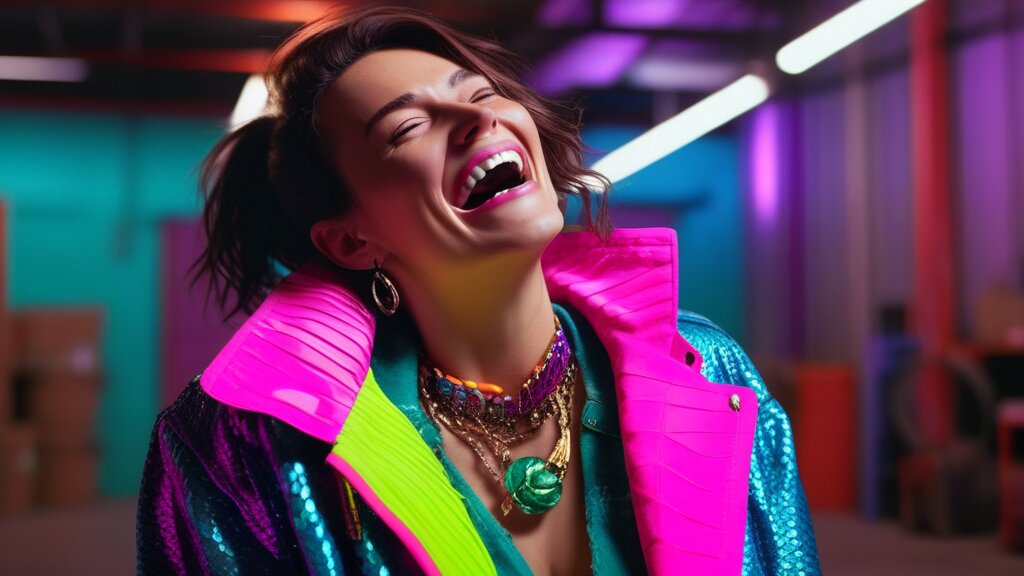
The High-Fidelity Mask
For autistic women, masking isn’t just a habit. It’s a full-time, unpaid job. We were taught—sometimes explicitly, often subtly—that our natural intensity was ‘too much.’ So we built a mask.
What the Mask Looks Like:
- The Performance of Empathy: Manually matching the facial expressions and emotional volume of the people around us.
- The Polite Silence: Suppressing our stims and our need to talk at length about our special interests.
- The Aesthetic Burden: Wearing restrictive, uncomfortable ‘professional’ or ‘feminine’ clothes that feel like sandpaper on our skin just to fit the visual script.
Masking isn’t a success story. It’s a slow-motion car crash. It costs us our energy, our identity, and eventually, it leads to the kind of burnout that can ground you for years.
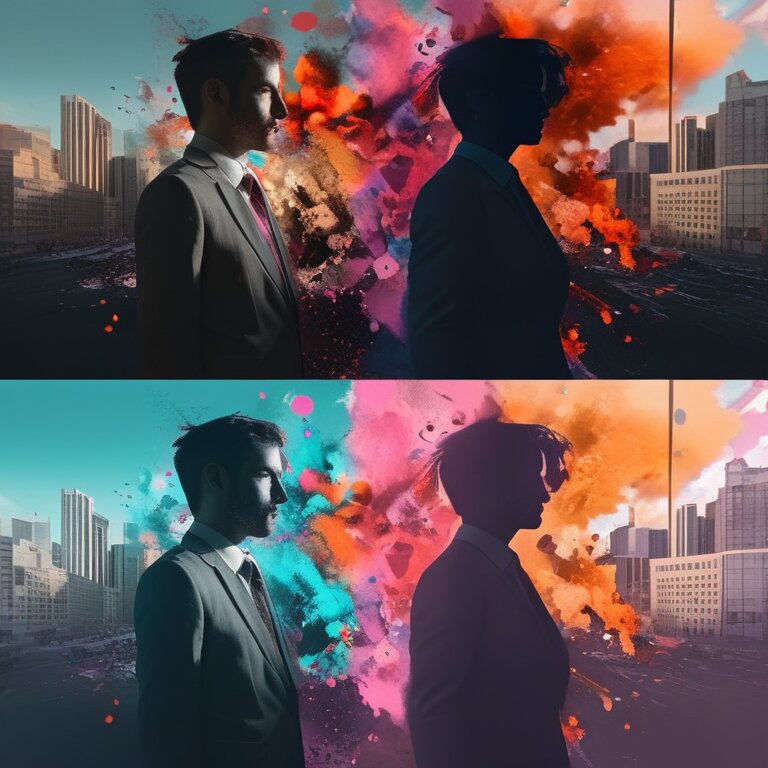
The Misdiagnosis Trap
Before most of us find out we’re autistic, we’re told we’re everything else. I’ve seen women with labels of Generalized Anxiety Disorder, Clinical Depression, Bipolar II, or Borderline Personality Disorder—all of which were actually just unsupported autism.
If you’ve spent years in therapy trying to ‘fix’ your anxiety and it hasn’t worked, it’s because you aren’t anxious. You’re overloaded. Your ‘mood swings’ are sensory-driven meltdowns. Your ‘depression’ is actually the deep, hollow exhaustion of running a neurotypical simulation for decades.
Sensory Life as a Woman
Society has very specific expectations for how women should “exist” in public space. We are expected to tolerate loud restaurants, harsh perfumes, and restrictive clothing without complaint.
Riot’s Rule: If it hurts, it has to go.
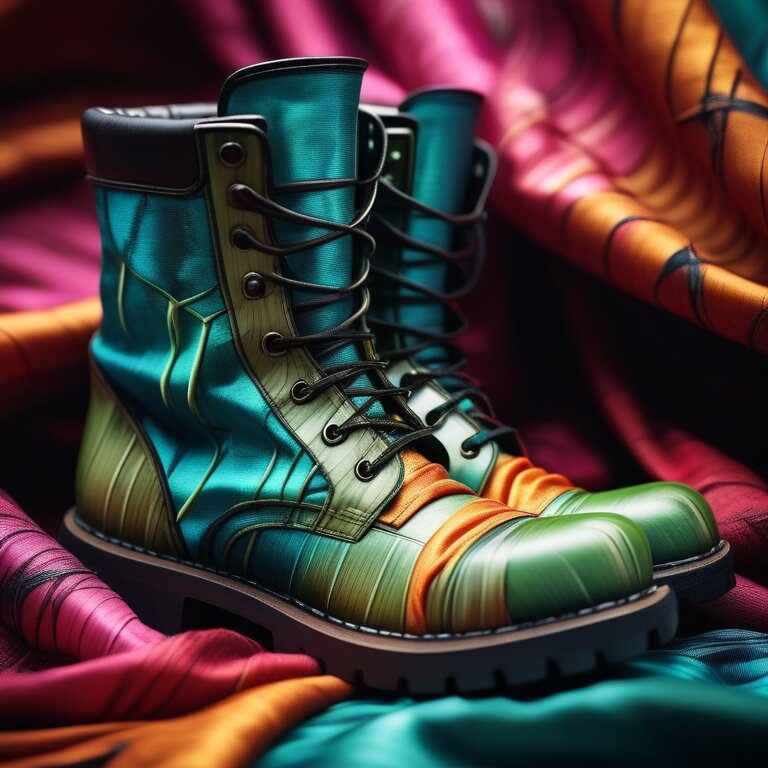
I don’t care if those shoes are “on trend.” If they make your brain feel like it’s being squeezed by a vice, you don’t wear them. My ‘sensory-safe style’ involves vibrant colors that make me feel like a protagonist, combined with the softest, high-tech fabrics and boots that actually let me walk without pain.
Riot’s Rebellious Identity Framework
Reclaiming your identity as an autistic woman means being “too much” on purpose.
- Drop the Perfectionism: You don’t have to be the best at ‘being normal.’ You just have to be the best at being you.
- Stun with Authenticity: When you stop masking, you start attracting your actual people. The ones who love your intensity and won’t judge your stims.
- Build Your Armor: Wear your earplugs to the grocery store. Wear your ‘loud’ clothes to the meeting. Your presence is the disruption the system needs.
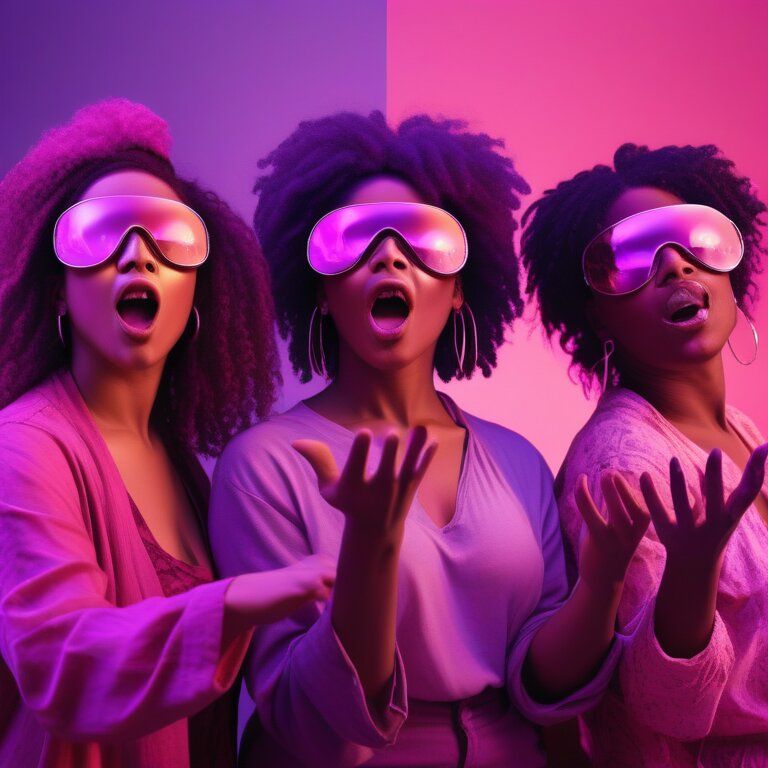
Reclaiming Your Past and Future
When you look back at your life through the lens of your diagnosis, it changes everything. Those moments you felt “failed” or “weird”? They become proof of your resilience. You were navigating the world with one arm tied behind your back and your senses turned up to eleven—and you’re still here.
Your future isn’t about “getting better at being neurotypical.” It’s about building a life that actually fits your hardware. It’s about joy, intensity, and being loudly, unapologetically alive.

The Reclamation Manifesto:
- I will not apologize for my volume.
- I will not suppress my stims to make others comfortable.
- My sensory needs are not ‘preferences’; they are prerequisites.
- I am not ‘too much’; the room is just too small.