I’m not too much; this room is underbuilt.
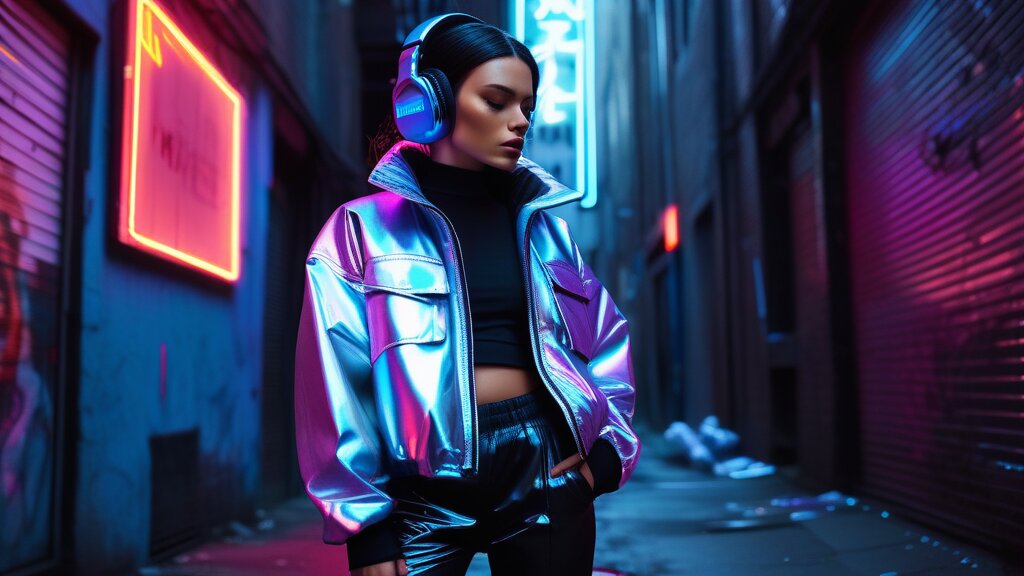
If you’re AuDHD and social, your biggest “fail” mode isn’t the conversation; it’s the outfit. You want to look bold, sharp, and nightlife-appropriate—you want that protagonist energy—but 90% of “flashy” clothes are a sensory fucking nightmare. They’re made of itchy sequins, restrictive synthetics that trap heat like a greenhouse, and shoes that feel like walking on literal glass after forty minutes.
Most people tell you to “suffer for fashion.” They say, “It’s just for one night, you can handle it.”
Cute, but no.
If your body is screaming at you because your shirt is too tight, your tags are scratchy, or your waistband is digging into your liver, you are spending 40% of your total social energy budget just on managing your clothes. That’s 40% of your brain power that isn’t going toward the bass, the novelty, or the person you’re actually trying to talk to.
No mask, just method. You can have a maximalist, high-energy aesthetic without the sensory meltdown. You can look like a main character and feel like you’re wearing 5-star hotel pajamas. Here is the Riot-approved system for building a flashy but functional nightlife kit.
Section 1: What People Get Wrong (The “Sacrifice” Myth)
We’ve been conditioned to think we have to choose between looking expressive and being sensory-safe. We end up wearing a boring, safe hoodie to the club (and then feeling invisible and socially anxious) or wearing the “correct” club outfit (and leaving after an hour because we’re redlining from tactile overwhelm).
This is a false choice. The world is underbuilt for our sensory needs, so we have to be the architects of our own armor. The trick isn’t to “sacrifice” style; it’s to find “glossy” versions of soft things.
Reflective fabric doesn’t have to be stiff. Silk doesn’t have to be delicate. High-vibration prints can exist on high-quality bamboo. We are looking for Glossy Comfort.
Section 2: Why It Happens (Clothing as an Energy Drain)
Every tactile sensation is a piece of data your brain has to process. A scratchy tag is a constant, low-level “ERROR” message firing in your nervous system. A tight neckline is a “DANGER” signal.
For neurotypical people, their brain filters these out. For us, the filter is thin or non-existent. Over the course of 4 hours, that “small” error message from a scratchy seam adds up to a massive sensory debt. By the end of the night, you aren’t just tired; you’re hit.
Protect your energy like it’s designer. Every piece of clothing you wear should either be a “zero-cost” item or a “high-joy” item. If it’s neither, it’s a threat to your social battery.
Section 3: The 4-Layer System (Massive Expansion)
This is how you build a kit that survives a 6-hour warehouse set without a single itch.
1. The Base Layer (The Shield)
Everything touching your skin MUST be sensory-safe. This is the foundation of your social battery.
- The Protocol: No tags. No “rough” lace. No restrictive elastic.
- The Materials: Seamless bamboo, high-end micromodal (it feels like liquid silk and breathes better), or tag-free long-staple cotton with exactly 10% stretch for mobility.
- Riot’s Tip: If the base layer is safe, you can handle a slightly “noisier” outer layer. Spend the most money here.
2. The Statement Layer (The Flash)
This is where the “identity” happens. We want maximalism, but we want it in a silhouette that doesn’t touch our skin too much.
- The Materials: Reflective technical fabrics (amazing for flash photography and low-light vibes), bold digital prints on soft jersey, or “liquid” metallic fabrics.
- The Silhouette: Oversized is your best friend. A reflective oversized windbreaker or a silk-blend shirt with a massive, vibrant print is high-impact but low-demand. It doesn’t constrict your movement or your breathing.
3. The Footwear (The Foundation)
If your feet hurt, your system will shutdown. There is no negotiating this.
- The Move: Invest in high-end platform sneakers or tactical boots with memory foam. Glossy leather or metallic finishes make them club-ready; the orthotic insoles make them survival-ready.
- Riot’s Tip: Use lock-laces (elastic laces) so your shoes don’t feel like they’re strangling your feet as they swell from dancing.
4. The Accessory Armor
Bold jewelry is great, but make sure it’s lightweight. Heavy earrings are a sensory fuse-blower.
- The Move: Use reflective details (like shoelaces or hair ties) and glossy accents to add “vibration” without adding weight.
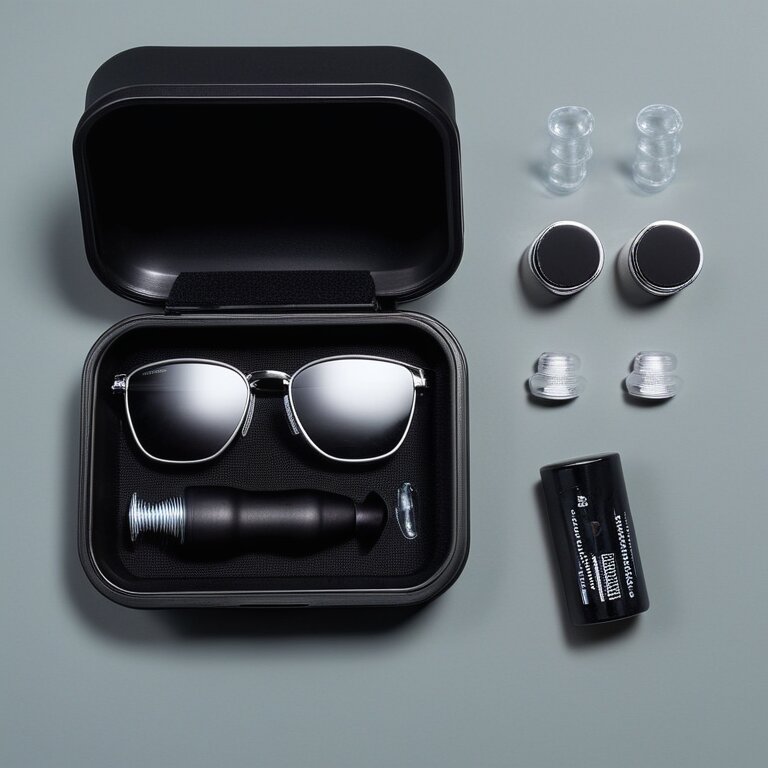
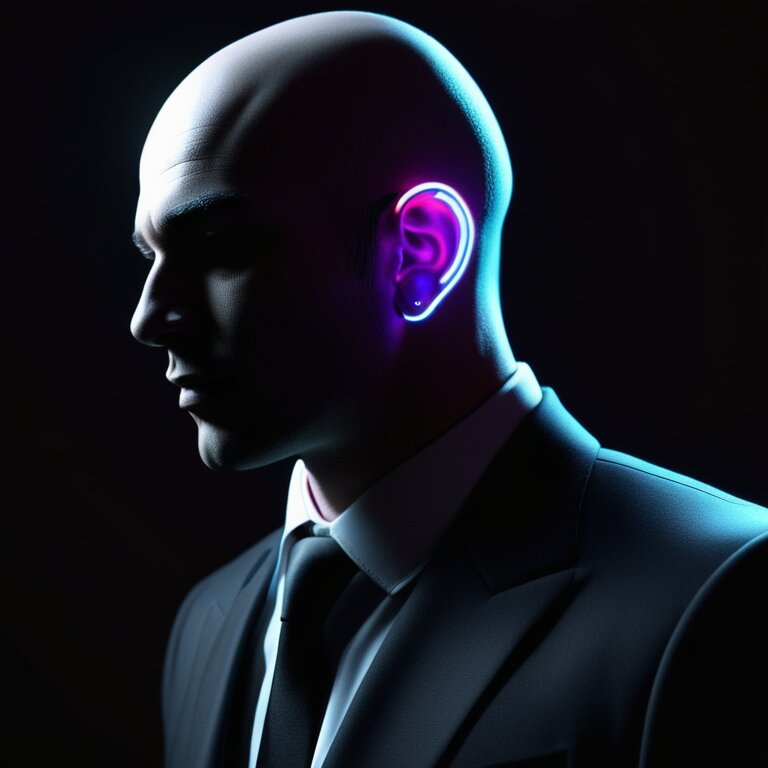
- The Ultimate Accessory: Your high-fidelity earplugs. They should be a visible part of the fit. Wear them like a statement piece.
Section 4: Riot’s ‘Armor’ Strategy
Putting on your social kit should feel like a protagonist putting on their uniform. It’s not a “costume”; it’s an optimization.
When I put on my reflective jacket and my noise-canceling headphones, I am signalling to my nervous system that we are entering a high-stim zone and we are prepared for it. This isn’t masking; it’s regulation.
My outfit is a “Room-Builder” tool. If the room is too loud, my headphones fix it. If the room is too dark/boring, my jacket adds the light. I am not waiting for the environment to be “safe”; I am carrying safety on my back.
Section 5: Scripts for Style Moments
Stop explaining your “comfort” and start stating your “strategy.”
When someone asks where you got the pieces
“I built this system for high-energy nights. It’s reflective, tag-free, and designed for 12 hours of movement without a sensory crash. It’s not just a look; it’s a method.”
When someone tells you to wear “nicer” (less comfortable) shoes
“My feet are the foundation of my social battery. I’m not sacrificing two days of recovery for a pair of heels. These platforms are the strategy—I can dance indefinitely while you’re looking for a chair. Cute, though.”
The “Body-Audit” Checklist (The 3-Minute Jump Test)
Before you leave the house, do this:
- Jump: Does anything pinch?
- Spin: Does any fabric feel scratchy when it moves?
- Sit: Does the waistband dig in?
- Speak: Can you still breathe comfortably?
If any answer is “yes,” change the item now. Trust the body, not the mirror.

Section 6: Aftercare / Reset Plan
Even a sensory-safe outfit uses energy if it’s visually “loud” or if you’ve been in it for 8 hours.
- Immediate: Drop the armor. Strip down to your base layer (the “Shield”) the second you walk through the door.
- Skin Reset Protocol: 10 minutes of “low-stim skin contact.” A weighted blanket or a soft silk sheet. Recalibrate your tactile sensors from the high-vibration of the night.
- The “Static” Version: Build a “Static” version of your kit. A monochrome, ultra-soft version of your style (think all matte black bamboo) for when your battery is at 10% but you still need to be out.
Try This Tonight: The Tag Execution
Take your favorite “loud” piece of clothing—the one that looks amazing but you rarely wear because it catches on your skin.
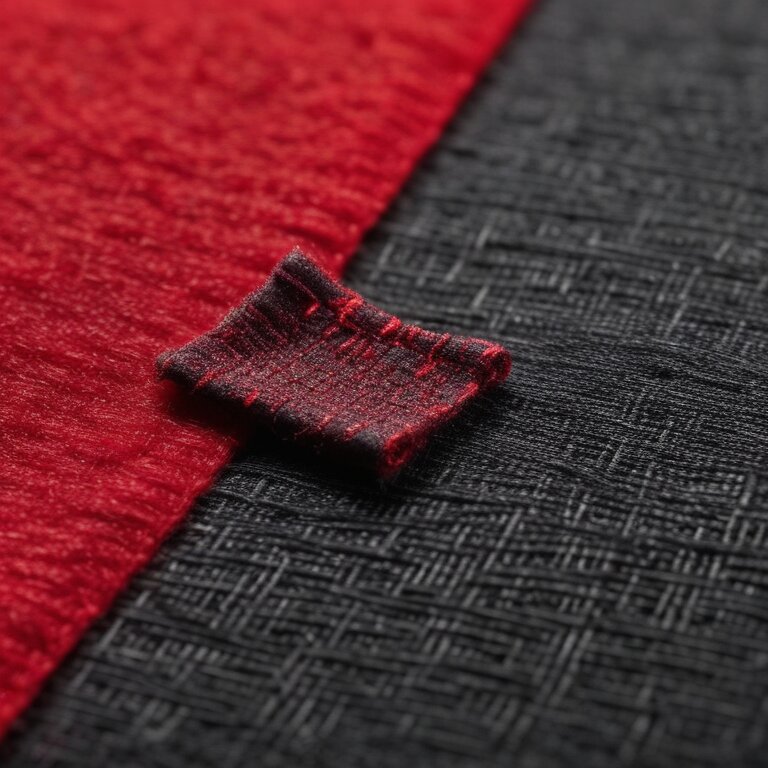
- Remove the Tag: Use a seam ripper. Don’t just cut it; remove the whole thing.
- Line the Seams: If a seam is scratchy, iron on some soft binding tape or use silk fabric tape.
- Test the Win: Wear it for 2 hours around the house.
Claim the sensory win. You aren’t “too much”; you’re a high-fidelity signal. Stop dressing like a NPC. Start dressing like the protagonist you are.
Checklist: The Flashy but Functional Audit
- Is every piece touching my skin tag-free?
- Do my shoes allow for 6 hours of movement?
- Is my ‘Armor’ (Earplugs/Glasses) ready?
- Did I pass the 3-Minute Jump Test?
Belong on your own settings. Protect your energy like it’s designer.