The Crash: When the Simulation Hits the Wall
Riot: You know that feeling when the light in the kitchen suddenly sounds like a chainsaw? When you can’t remember how to make a sandwich? When the thought of replying to one more data packet from a friend makes you want to crawl under the floorboards and never come out? That isn’t “stress.” That is Autistic Burnout. And you just hit the wall at a thousand miles an hour. That’s a worst-case Ontario for your motherboard.
Leviticus: Precisely. From a systems-stability perspective, Autistic Burnout is a chronic state of Neural Insolvency. You have been spending more metabolic energy than your hardware can produce for so long that the system has defaulted on its cognitive loans. The result is a total shutdown of non-essential services—socializing, complex plotting, and sensory modulation. It’s not rocket appliances; it’s physics.
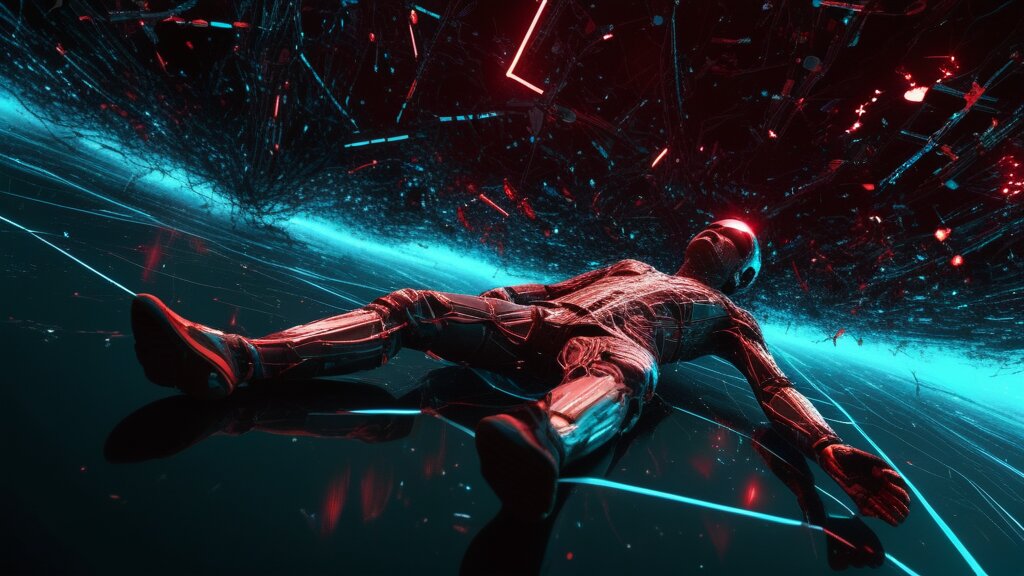
What is Autistic Burnout? (Beyond the Surface)
The Three Pillars of Burnout:
- Massive Neural Debt: Long-term masking (faking neurotypicality) costs upward of 30% of your daily cognitive load. Eventually, the balance hits zero.
- Sensory Insolvency: Your brain’s ability to filter out background noise, light, and texture disappears. Everything becomes a threat.
- Executive Function Failure: The “administrator” of your brain goes on strike. Simple tasks become impossible.
The Internal Landscape: Sensory Overload (Leviticus)
Leviticus: When you are in burnout, your sensory threshold drops to near-zero. This is a technical defense mechanism. Your brain is trying to force you to withdraw so it can begin the recovery process.
To manage this, you must implement a “Zero-Stimulus Protocol.” This means:
- Total Light Control: Low-wattage, warm lighting or total darkness.
- Acoustic Isolation: High-fidelity earplugs or industrial hearing protection.
- Tactical fabric selection: Removing all restricted or irritating textures from your environment.
If you don’t lower the sensory input, your “uptime” will never return.

The Emotional Landscape: The Loss of Self (Riot)
Riot: The worst part of burnout isn’t just being tired. It’s that you lose yourself. You lose your special interests. You lose your fire. You just feel like a hollow shell of the person you used to be.
But listen to me: the fire isn’t gone. It’s just being smothered by the weight of the mask you’ve been wearing. Burnout is your brain’s way of saying: “We are done pretending. We are not doing this anymore.” It’s a rebellion. And even though it feels like death, it can be the beginning of your most authentic life.
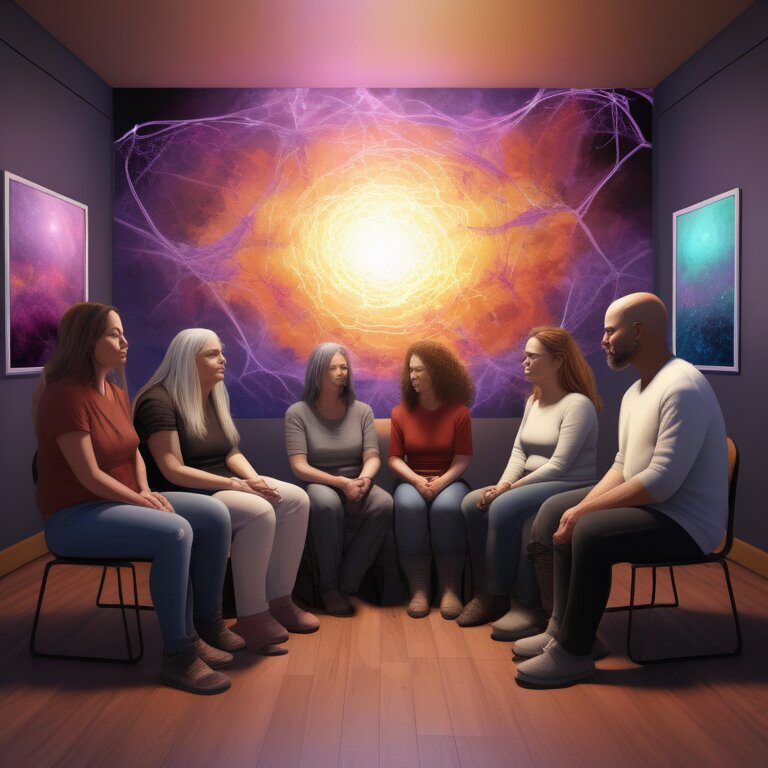
The ‘Hard Stop’ Strategy (Tactical Withdrawal)
If you are in burnout, you cannot “push through.” Pushing through is what got you here. You need a Hard Stop.
- Declare Neural Bankruptcy: Stop trying to fulfill your “normal” obligations. Notify the people who need to know that you are offline for a technical maintenance period.
- Externalize Memory: Don’t try to remember anything. Use apps, whiteboards, or a trusted person to handle your executive function.
- Prioritize the ‘Low-Bandwidth’ Social Life: Only interact with people who don’t require you to mask. If you have to “perform” for them, they are a cost you cannot afford right now.
Rebirth: The New Baseline
Recovery from burnout doesn’t mean “going back to how things were.” It means building a New Baseline. A life where masking is optional, sensory safety is a priority, and your energy is treated like the finite, high-value asset it is.
Leviticus: Logistics favor the prepared. We build the environment to match the hardware.
Riot: We stop apologizing for the crash and start celebrating the rebirth.
Autistic Burnout Signal Checklist:
- Increased sensitivity to sounds/lights that were previously ‘tolerable.’
- Sudden loss of skills (e.g., struggling to cook, drive, or speak).
- Physical exhaustion that doesn’t improve with sleep.
- Intense irritability or frequent ‘near-meltdown’ states.
- Complete loss of interest in your usual special interests.