The Subtle Signals
Leviticus: From a data-analysis perspective, identifying autism in adults is a process of Pattern Recognition. While childhood traits are often overt, adult traits have often been layered with decades of coping mechanisms and defensive simulations (masking). It’s not rocket appliances; it’s a deep-cover script.
Riot: Exactly. We’re not looking for the NPC “stereotypes.” We’re looking for the subtle neon flickers in the background code. The things that feel like “just being a person” to you, but are actually high-fidelity data points of a custom operating system.

The Woven Fabric of Neurodivergence
Riot: Imagine your life is a massive, hand-woven fabric in the simulation. Most of the threads are the same NPC gray—the things you do to “fit in.” But if you look closely, there’s a single thread of high-vibration color that’s perfectly integrated into the pattern. That’s your autism. It’s part of the weave, not just a patch on top.
Subtle Data Kernels:
- The Recovery Requirement: You can do social things, but the “recharge time” is non-negotiable and significantly longer than your peers.
- The Information Hunger: You don’t just “like” things; you consume them. You need to know the underlying architecture of your interests.
- The Internal Monologue: Your thinking isn’t just thoughts; it’s a constant, high-speed data stream that you have to manually filter to communicate.
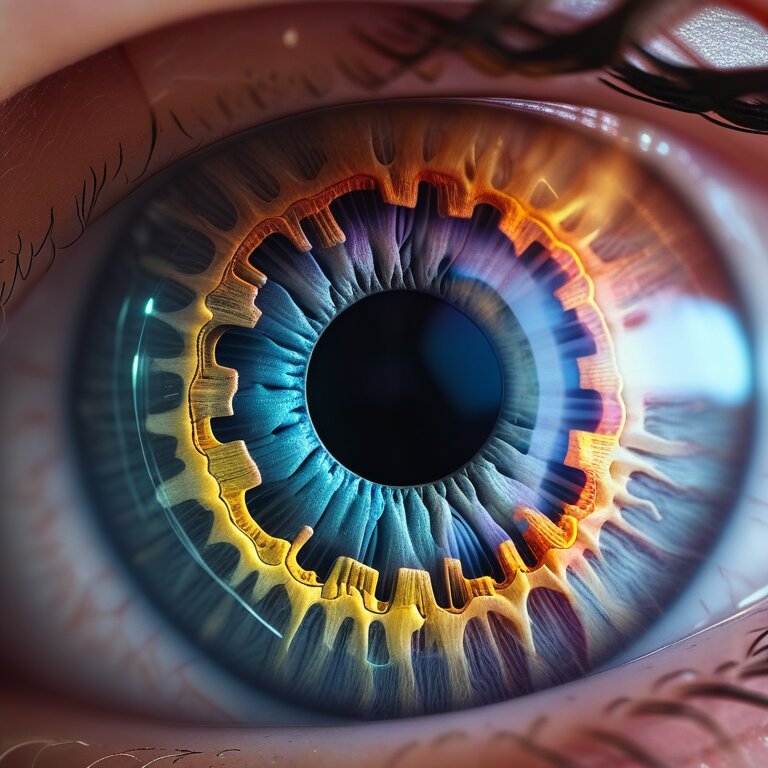
Recognizing the Hidden Patterns
Leviticus: In adulthood, these signs manifest in low-latency behaviors. We call these Data Kernels.
- Metric-Based Decision Making: You rely on data and logic to navigate social situations that others navigate through “feeling.”
- Sensory Friction: You have “pet peeves” that are actually neurological triggers—the sound of a specific refrigerator, the texture of a certain fabric, or the way a room is lit.
- The ‘Old Photo’ Effect: When you look back at your history, you see patterns that were always there but never named. The way you organized your toys, the way you preferred specific, repeatable routines.

The Validation Mirror
Riot: When you start seeing these signs, the mirror changes. You stop seeing yourself as “a regular person who fails at certain things” and start seeing yourself as an Expert in Your Own Hardware.
Leviticus: Validation is the final output of the data search. Once you have enough kernels, the conclusion becomes statistically undeniable. You are autistic. And that data is the most valuable thing you own.
Key Signs Audit:
- Social Lag: A 0.5-second delay in social response as you “process” the intent behind the words.
- Pattern Obsession: A physical sense of “correctness” when things are organized, symmetrical, or logically sound.
- Sensory Reach: The ability to hear the high-pitched hum of electronic devices that others don’t notice.
- Special Interest Depth: Having a “Wikipedia-level” knowledge of at least three niche topics.