‘High Functioning’ is an output metric, not an internal state.
Imagine two cars driving at 70 mph. Car A is a standard sedan designed for highway speeds; its engine is running at a comfortable 2,000 RPM. Car B is a high-performance engine restricted by a governor; it’s screaming at 7,000 RPM just to maintain the same 70 mph.
To a bystander (the neurotypical observer), both cars are “functioning” equally. But Car B is overheating, wearing out its parts, and will eventually catch fire. You are Car B.

Section 2: Why It Happens (The Manual Processing Tax)
Neurotypical people have “built-in” hardware for social intuition, sensory filtering, and executive transition. Their “functions” are automatic.
For you, these functions are Manual.
- You don’t “feel” social cues; you calculate them based on a database of previous interactions.
- You don’t “filter” office noise; you spend cognitive energy suppressing it.
- You don’t “just start” a task; you manually build a set of micro-SOPs (Standard Operating Procedures) to overcome executive friction.
This manual processing is what I call the Invisible Infrastructure. If you don’t manage it strategically, it will eat your entire daily bandwidth before you even start your actual work.
Section 3: The Three Domains of Invisible Armor
To maintain high functioning without system failure, you need to deploy specific “Armor” layers.
1. The Sensory Buffer (Hardware Defense)
High functioning adults often ignore their sensory needs because they “can handle it.” This is a strategic error. Every decibel of unnecessary noise and every lux of harsh lighting is a drain on your “Functioning” budget.
- The Zero-Friction Apparel: Wear clothes that have zero sensory noise. Iridescent jackets are fine for the “vibe,” but if the lining is itchy, it’s a failure.
- The Auditory Filter: Noise-canceling is not a luxury; it is a firewall for your focus.

2. The Cognitive SOP (Process Management)
Stop trying to “act normal” and start being Predictable.
- Template Everything: All emails, all social greetings, and all project starts should have a template. Manual creation is a waste of resource.
- The Buffer Protocol: Never respond to high-stakes requests immediately. Use the “I’ll get back to you in [X] time” script to allow for offline processing.
3. The Social API (Interface Interaction)
“High Functioning” often means “High Masking.” Transition from masking (pretending) to an API (Strategic Interface).
- Identify the Output: Don’t try to be “likable”; try to be “reliable.” Reliability is a much cheaper social currency to maintain.
- Hard Logout Time: High functioning is a battery-intensive mode. You must have a set time where the “Functioning” protocol is deactivated. No exceptions.
Section 4: What to Avoid (The Waste)
- Don’t Aim for “Similarity”: Trying to be neurotypical is a fool’s errand. Aim for Equivalency in results, but use your own native methods to get there.
- Avoid the “I Can Handle It” Fallacy: Just because you can push through a sensory-hostile environment doesn’t mean you should. Pushing through costs energy that you could be using for high-value creative work.
- Don’t Apologize for the Infrastructure: If you need three monitors, a dark room, and zero interruptions to perform at an elite level, that is the cost of doing business.
Section 5: Monitoring the Neural Load
You cannot manage what you do not measure. A high-functioning adult needs to be aware of their “Neural Load” at all times.
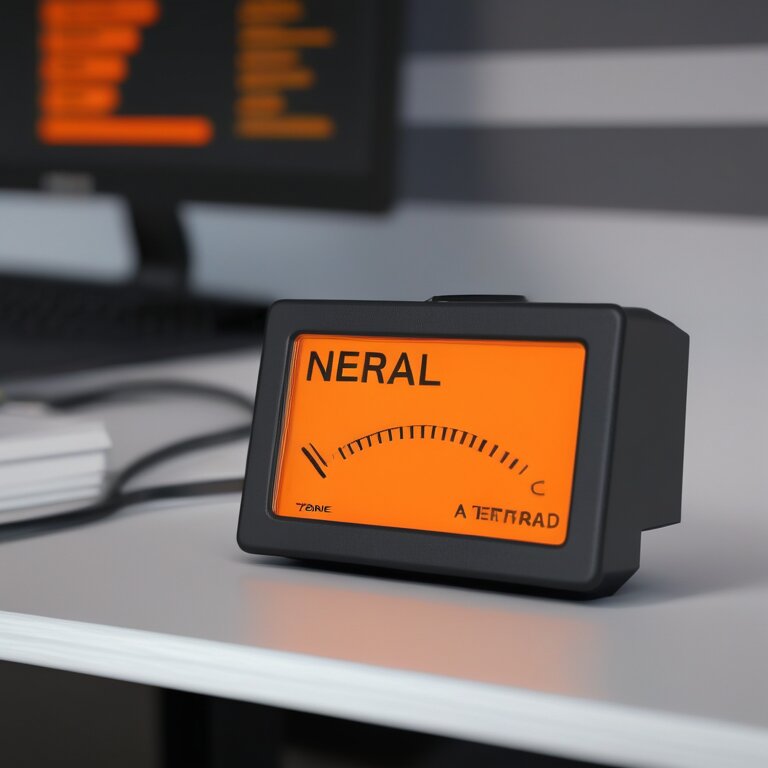
The Leviticus Redline Audit:
Run this check every 4 hours:
- Physical tension: Are your shoulders or jaw locked? (Manual stress indicator).
- Word-count drop: Is it getting harder to form grammatically complex sentences? (Executive function drain).
- Irritability spike: Is a minor sound suddenly feeling like a physical assault? (Sensory system failure).
If you are in the “Orange” zone, you need an immediate 15-minute system reboot. Total darkness. Zero data.
Section 6: Specific Scripts for High-Functioning Boundaries
When a colleague tries to “pop by” for a chat
“I’m currently running a deep-focus protocol to finalize this dataset. Please log your request in [System] and I will address it during my next communication window at 2 PM. Direct written requests ensure I provide the most accurate data.”
When declining a low-value social obligation
“To maintain my performance baseline for the upcoming project, I’m prioritizing neural recovery this evening. I won’t be attending the mixer, but I’m looking forward to the technical review tomorrow.”
Explaining your “Odd” but efficient methods
“My data indicates that I process complex information 40% faster when I’m not maintaining forced eye contact. I’ll be looking at the screen/data while we talk to ensure I’m providing the highest level of analysis.”

Section 7: The Final Audit (Success Management)
Success is not an accident; it is a Strategy.
Run this audit every quarter:
- Is my “High Functioning” status costing me my physical health or my relationships?
- Have I automated more of my executive tasks than last quarter?
- Can I be 100% unmasked for at least 3 hours every day?
If you are winning at work but losing at home, your infrastructure is underbuilt. You are the protagonist; the success you see is the result of your design, not your compliance.
If You Only Do 3 Things
- Stop believing the “Normal” lie. You are a high-performance system running a very demanding manual protocol. Manage it as one.
- Build the Invisible Infrastructure. Automate your life so your brain can focus on the edge cases where you shine.
- Respect the Battery. High functioning is a mode, not a constant. Know when to logout.
Welcome to Sustainable High Performance. Let’s build the room.