Party smart, recover smarter.

Riot: Most clinical NPC guides describe autistic burnout as “a loss of skills.” They talk about forgetting how to cook or losing the ability to speak. And while that happens in extreme simulation errors, the early markers for social, AuDHD adults are much more subtle.
They often feel like “losing your edge” or “suddenly hating every data point you usually love.” It’s not rocket appliances.
Leviticus: We’re breaking down what it actually looks like when your system is starting to redline, combining the Alchemist’s structural lens with Riot’s emotional truth. This isn’t just about being tired; it’s about a fundamental failure of your biological operating system.
The Real-Life Problem: The High-Functioning Trap
If you’re used to being “the social one” or the person who “gets things done,” you probably don’t realize you’re burned out until you physically cannot get out of bed. You’ve been overspending your energy budget for so long that your brain has started taking out high-interest loans just to keep the lights on. You think you’re “powering through,” but you’re actually just hollowing yourself out.
Burnout in our community doesn’t look like a slow fade. It looks like a blown fuse. One day you’re the life of the party; the next day, the sound of someone chewing toast makes you want to commit a felony.

Why It Happens: The Cumulative Sensory Load
Burnout isn’t caused by one bad night. It’s the result of 1,000 “small” sensory compromises. It’s the 1,000 times you ignored the scratchy tag, the 1,000 times you forced a smile at a boring networking event, and the 1,000 times you skipped a recovery window because you didn’t want to seem “weak” or “difficult.”
Every compromise costs a dollar. Most of us walk into the nightclub already $50 in debt because we worked in an office with fluorescent lights all day. By the time the first bass drop hits, we’re redlining.
Section 1: Leviticus Take (The Structural Failure)
I look for the failure modes in your systems. In the early stages of burnout, your decision-making frameworks start to crumble. You’ll find yourself unable to choose between two simple options (like what to eat for dinner). Your ability to “run the pattern” is replaced by a low-level, constant panic.
The Proprioceptive Glitch
When I’m burning out, I lose my relationship with physical space. I start bumping into doorframes. I drop my phone. I trip over flat surfaces. This isn’t “clumsiness”; it’s my brain diverting power away from the proprioceptive system (spatial awareness) to keep the social-processing core running. It’s a tactical retreat.
The Decision Paralysis
Decision fatigue is the first sign of a system redline. If I have to choose between two items on a menu and I feel like crying, I’m in Phase 1 Burnout. The “Logic Bypass” is no longer working. I’ve lost the ability to filter data.
Watch for:
- Sudden inability to follow a known routine.
- Re-reading the same email four times without processing it.
- “Logic loops” where you think about the same problem for hours without an action item.
Section 2: Riot Take (The Body Says No)
For me, it’s about the vibration of the world. When I’m redlining, everything feels too loud, even the things that are quiet. My “social battery” doesn’t just run low; it starts to leak acid. I’m not too much; the room is just suddenly unbearable.
The Sensory Hypersensitivity Spike
I usually love loud music. I love EDM. But when I’m burned out, the same song I danced to last week feels like someone is scrubbing my brain with a wire brush. My skin feels like it’s a size too small. That rebellious, high-energy protagonist energy? It’s gone, replaced by a desperate, animal need to hide.
The Social Aversion Window
I start resenting my friends. Even the ones I actually like. Their voices sound like buzzing bees. Their “checking in” texts feel like aggressive demands for my time. I’m not being “mean”—I’m being biologically unavailable.
Watch for:
- Physical repulsion toward clothes you usually love (e.g., your favorite platform boots suddenly feel like literal lead weights).
- “Irritation” that feels like electricity under your skin.
- A sudden, desperate need for total silence that feels like a survival instinct.

Section 3: Where We Disagree
Leviticus: I believe the solution is 100% structural. If you build a rigid enough recovery protocol and never overspend your energy budget, you can prevent the crash entirely. Burnout is a failure of planning.
Riot: Fuck that. Sometimes life happens. Sometimes you choose the party because you need the joy, even if you know the cost. You can’t “plan” your way out of a sensory system that has reached its limit due to a world that is fundamentally underbuilt for us. Sometimes you just have to lean into the crash, scream into a pillow, and be honest about the fact that you’re hit.
Leviticus: Leaning into the crash is inefficient. It lengthens the recovery time.
Riot: It’s more efficient than pretending you’re fine and dragging the burnout out for six months. I’d rather take a hard 48-hour shutdown than a half-assed “rest” while still checking my emails.
Section 4: Shared Practical Framework (The 3-Tier Reset)
Despite our disagreement on prevention vs. acceptance, we agree on the mechanics of recovery. If you are redlining, apply this protocol immediately.
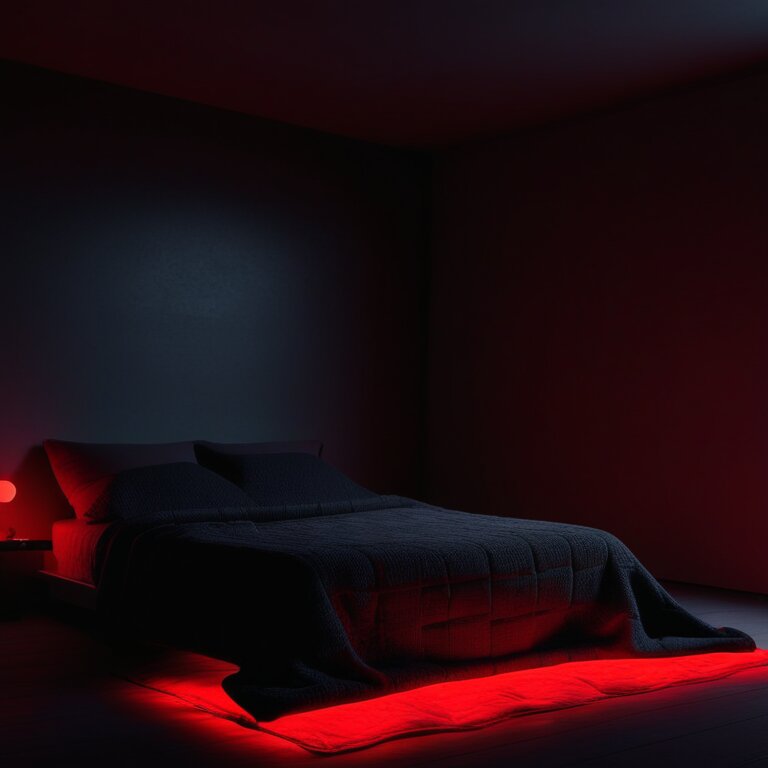
Level 1: The Sensory Blackout (Immediate)
- Zero Lights: Use blackout curtains or an eye mask.
- Noise Control: Noise-canceling headphones + brown noise or “The Darkness Protocol” (absolute silence).
- Physical: Weighted blankets. Soft textures only. No restrictive waistbands.
- Communication: No verbal output. Use texts only or the “I am Shutdown” sign.
Level 2: The Logic Bypass (First 24-48 Hours)
- Zero Decisions: Set your menu for the next two days now (the same “safe” food every meal).
- Uniform: Pick one outfit (the softest one) and wear it until you’re better.
- Digital Shutdown: No social media. No “doom-scrolling.” No checking the Energy Budget for at least 24 hours.
Level 3: The Energy Audit (Ongoing)
Once you have enough CPU power to think again, identify the 3 highest-drain activities in your week.
- Apply a Minimum Viable Strategy to each: can you skip it, automate it (e.g., grocery delivery), or shorten it for the next month?
Boundary Scripts & Checklists
When you need to cancel a high-pressure commitment
“My system has reached its sensory redline and I’ve moved into a mandatory recovery protocol. I won’t be available for the next 48 hours. I’ll check back in when my bandwidth is restored. Not up for a discussion on this.”
When someone asks if you’re “okay” during a shutdown
“I’m in a low-input reset. My brain is fine, but my sensory battery is empty. I need silence, not help. I’ll be back when the signal is clear.”

The “Am I Redlining?” Checklist
- Are you wearing earplugs in environments you previously handled without them?
- Did you snap at someone for a noise that wasn’t actually that loud?
- Is your favorite song suddenly sounding like “unusable noise”?
- Did you stare at a screen for 30 minutes without being able to make a single move?
- Does your skin feel “electric” or “itchy” in a way that doesn’t go away?
If you checked 3 or more, you are in Phase 1 Burnout. Stop the performance. Start the reset.
If You Only Do 3 Things
- Belong on your own settings. Stop asking for permission to rest or apologizing for your sensory thresholds.
- Make it usable. If your current weekly schedule isn’t usable without a 3-day recovery window, the schedule is the problem, not your brain.
- No fake fitting-in. If the cost of fitting in at work or in your social circle is a lifelong burnout, then the price is far too fucking high. Drop the noise, keep your soul.